logo
Shenzhen Zhong Jian South Environment Co., Ltd.
produkty
Do domu /

produkty

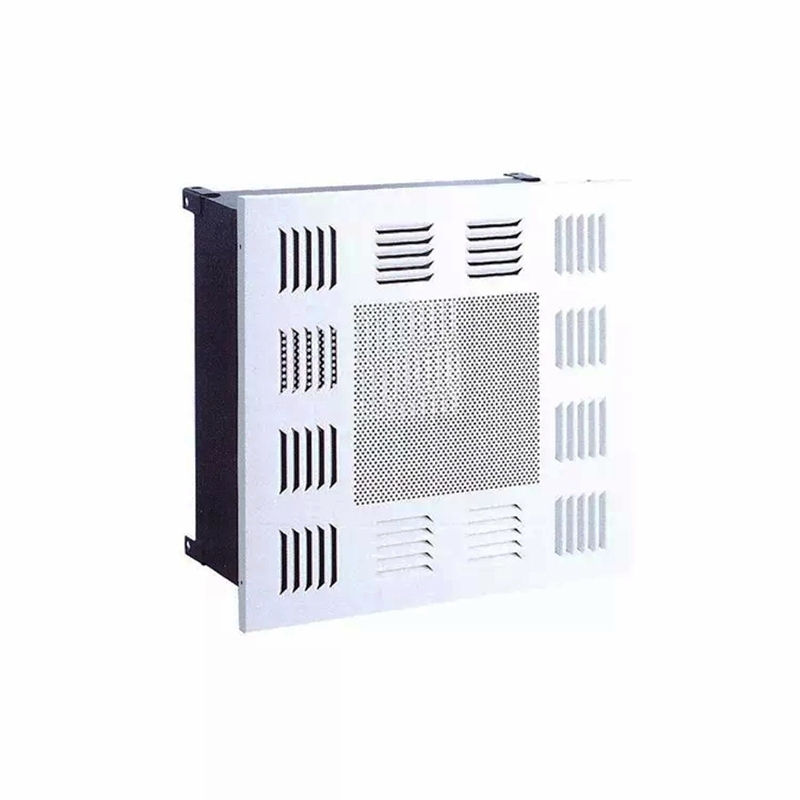
Class 10 Integrated Cleanroom High-Efficiency Air Outlet

Szczegóły produktu

Miejsce pochodzenia: CHINY

Nazwa handlowa: ZJNF

Warunki płatności i wysyłki

Minimalne zamówienie: 1

Cena: negotiate

Szczegóły pakowania: Pakiet sklejki/drewniany

Czas dostawy: 18 dni

Zasady płatności: TT LC PayPal Karta kredytowa

Najlepszą cenę
Skontaktuj się teraz
Specyfikacje
Podkreślić:

Class 10 cleanroom air outlet

,

high-efficiency air supply outlet

,

integrated cleanroom air vent

Aplikacja:
Wentylacja powietrza
Cechy:
Regulowany kierunek nawiewu
Typ instalacji:
Montowany na ścianie
Tworzywo:
Plastikowy
Zasilacz:
110 V/220V
Rozmiar:
Standardowy/Niestandardowy
Aplikacja:
Wentylacja powietrza
Cechy:
Regulowany kierunek nawiewu
Typ instalacji:
Montowany na ścianie
Tworzywo:
Plastikowy
Zasilacz:
110 V/220V
Rozmiar:
Standardowy/Niestandardowy
Opis
Class 10 Integrated Cleanroom High-Efficiency Air Outlet

Cleanroom High-Efficiency Air Outlet

The high-efficiency air supply outlet in a cleanroom is a critical terminal device in the purification HVAC system. Its core function is to deliver clean air uniformly into the cleanroom through high-efficiency filters (HEPA/ULPA), maintaining the required cleanliness level. Below are the key technical details:

‌I. Core Structure‌

  1. ‌Housing Construction‌: Typically made of cold-rolled steel with powder coating or stainless steel, including a plenum chamber, HEPA/ULPA filter, diffuser plate, and damper interface. Ultra-thin designs are suitable for spaces with limited ceiling height.
  2. ‌Filter Configuration‌: Uses liquid-seal or mechanical sealing (e.g., EPDM gaskets), with filtration efficiency matching cleanliness requirements (e.g., ULPA for Class 10).
  3. ‌Airflow Control‌: The diffuser plate ensures uniform airflow velocity (0.2–0.5 m/s in laminar flow zones), with top or side connection options available.

‌II. Key Parameters‌

  • ‌Airflow Range‌: Common models include 320-type (500 m³/h), 630-type (1500 m³/h), and high-capacity 2000 m³/h units.
  • ‌Material Selection‌: Stainless steel is recommended for corrosive environments, while cold-rolled steel with powder coating is suitable for standard applications.
  • ‌Sealing Performance‌: Liquid sealing (leakage rate <0.01%) is required for high-cleanliness areas, while mechanical sealing can be used for medium/low cleanliness zones.

‌III. Installation & Maintenance‌

  1. ‌Installation Process‌:
    • Position housing → install filter with sealing → fix diffuser plate → connect damper.
  2. ‌Maintenance:
    • Regularly monitor pressure drop (increases when filter clogs).
    • Replacement cycle typically 1–3 years.
  3. ‌System Matching‌:
    • Calculate total airflow based on cleanroom volume and air changes per hour (ACH).
    • Distribute airflow reasonably to each outlet.

‌IV. Applications‌

  • ‌Laminar Flow Cleanrooms‌ (e.g., operating rooms): require full coverage of outlets for unidirectional airflow.
  • ‌Turbulent Flow Cleanrooms‌ (e.g., food processing): use localized outlets with air mixing.
  • ‌Special Environments‌: Industries like pharmaceuticals and electronics prioritize stainless steel materials.
Wyślij zapytanie
Prosimy o przesłanie Państwa wniosku, a my odpowiemy Państwu tak szybko, jak to możliwe.
Wyślij